Applications
One mineral, many working lives.
Pumice is lightweight, porous, hard, and chemically stable. Those properties let it be used in a remarkable variety of ways, and we offer multiple gradations to suit each one.
Construction & pozzolan
The original lightweight aggregate.
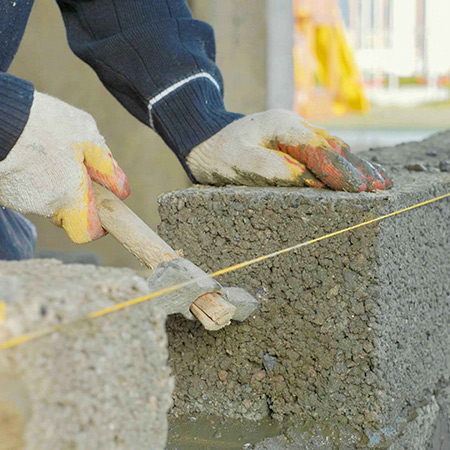
Pumice serves in lightweight concrete and cinder blocks and as a cement additive. Pozzolan, a fine-grained form of pumice, is mixed with lime to make concrete, a use that predates modern cement itself. As an aggregate, pumice is a preferred lightweight material in manufactured stone veneer and concrete block production.
- Lightweight concrete and cinder block
- Pozzolan cement additive
- Manufactured stone veneer

Horticulture
Porous, light, and hard. Exactly what soil wants.
Due to its porous nature, light weight, and hardness, pumice is highly desirable in the horticulture industry. It holds air and moisture where roots need it, without breaking down the way softer amendments do.
- Landscaping and soil conditioning
- Fertilizer blends and seed coating
- Drainage systems
Personal care
The gentle side of volcanic rock.
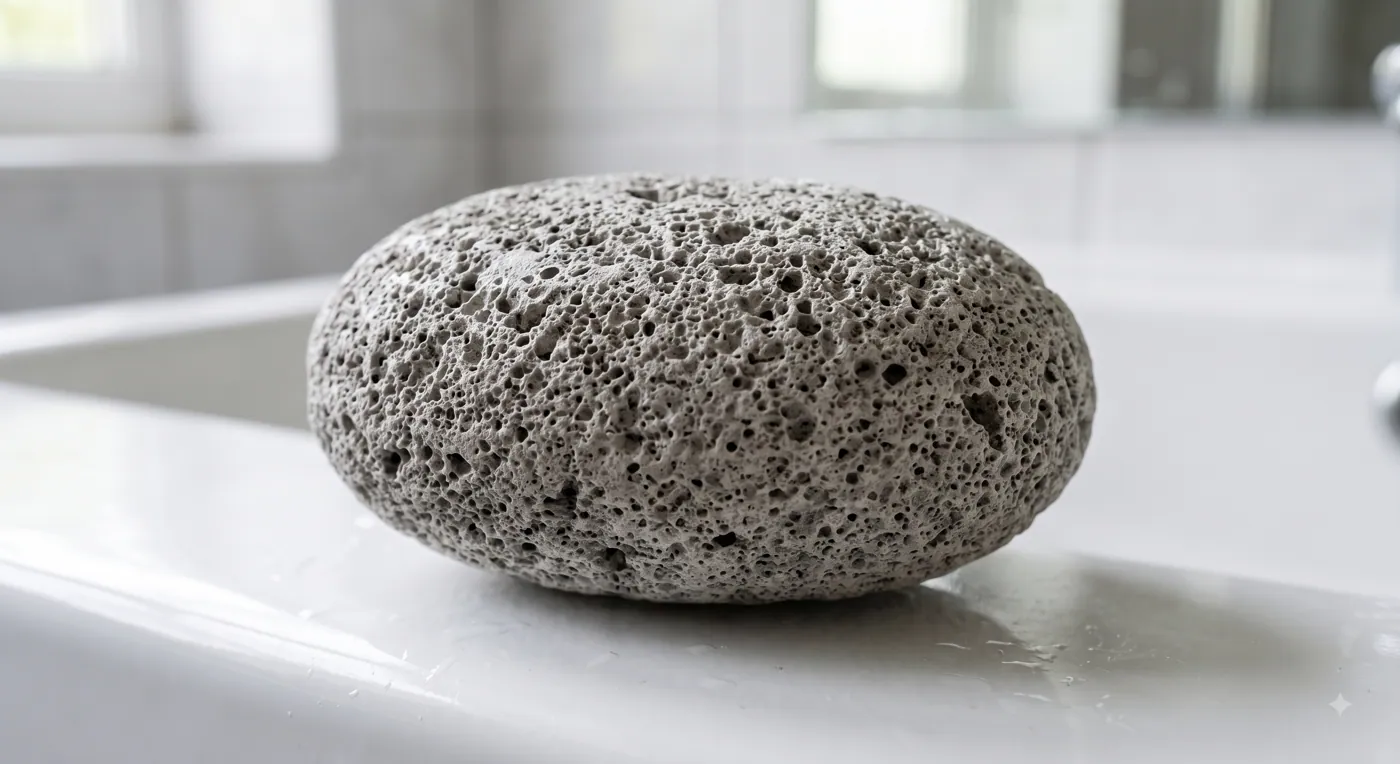
Pumice appears regularly in exfoliating products; the pumice stone used during pedicures to remove dry skin is the most familiar example. Finely ground, it turns up in toothpaste, facial scrubs, and soaps, where a hard but friable mineral makes an ideal natural abrasive.
- Pumice stones and exfoliants
- Toothpaste and facial scrubs
- Soaps and cleansers
Industrial uses
Where the workhorse grades go.
Beyond construction and horticulture, pumice works as an abrasive in polishes, erasers, and stone-washed denim production, and as a functional mineral across a long list of industrial processes.
- Abrasives and surface preparation
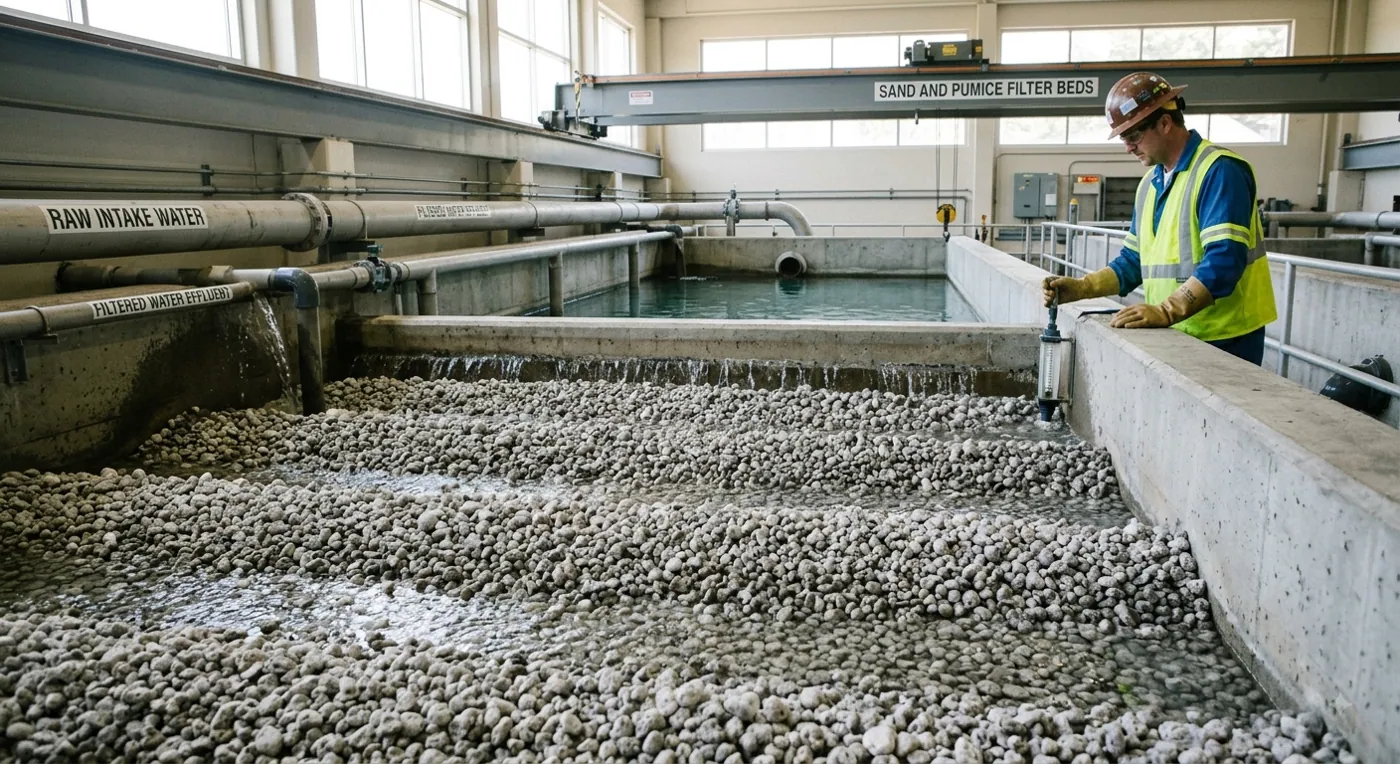
- Filtration media and water treatment
- Paints and coatings
- Rubber and plastics
- Fillers and cleaners
- Metal finishing
Your application here.
Don't see your use case? If it needs a lightweight, porous, natural mineral, chances are pumice can do it. Ask us.